A roof replacement is a useful time to discuss heat performance as well as appearance. A product described as cool roofing is not automatically the best choice for every house. Bring a short set of questions to the quotation meeting so the recommendation relates to your home, climate and planned roof assembly.
Start with your climate and building
ENERGY STAR’s cool-roof guidance explains that cool roofs generally save more energy in hot, sunny climates and on buildings with less roof insulation. The Department of Energy also notes that energy and cost savings depend on climate and building characteristics in its Consumer Guide to Cool Roofs.
Ask the contractor what information supports the recommendation for your property. Useful discussion points include existing insulation, the roof’s exposure, the space beneath it, and your heating and cooling arrangements. A general sales example should not be presented as a prediction of your future bill.
Identify the exact product
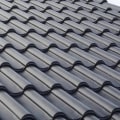
Request the manufacturer, product line, colour and relevant performance documentation for each option. Keep that information beside the physical sample. A pale colour alone is not a complete specification, and a photograph cannot establish a product’s measured performance.
ENERGY STAR lists several material types that can provide high solar reflectance, including shingles, membranes, metal and tile. That gives you a reason to ask about suitable alternatives within the roof type your house needs, rather than assuming a cool roof must have one particular appearance.
Compare a complete scope
Use the same project description when requesting prices. Ask each bidder to state what is included for removal, deck assessment, underlayment, flashing, ventilation where applicable, disposal and finishing details. Record proposed differences clearly. Our overview of residential roof replacement provides broader context for that discussion.
Ask who will confirm applicable local requirements and whether a proposed product or installation method needs additional review. Keep written answers with the quotation. Product selection is only one part of a functioning roof; the specification still needs to suit the building.
Separate evidence from estimates
If a quote includes projected savings, request the assumptions behind the estimate, including energy prices and the existing roof used for comparison. Compare any additional upfront cost separately from the basic replacement cost. Avoid treating a promotional percentage as a guaranteed return.
Before choosing, make a simple comparison sheet with product details, included work, exclusions, warranty documents and unanswered questions. Resolve those questions before ordering materials. A useful decision is one you can explain from the written scope, not just from the colour sample or the word “cool.”